For this article, I used AI and curated online sources in my research.
As a woodland photographer, I spend much of my time observing forests. The more time I spend among trees, the more I appreciate their role in supporting life.
Without trees, many ecosystems would lose essential functions. Trees provide resources such as wood, food, shade, and oxygen. Animals and people depend on them. Trees are important.
Table of Contents
- Life-giving Roles of Trees
- Biodiversity Conservation
- Soil Conservation and Water Management
- Climate Regulation
- Enhancing Air Quality
- Economic Benefits of Trees
- Mental Health and Aesthetic Value
- Energy Conservation
- Disadvantages of Trees
- Why Do Trees Count as the Most Important Thing on Earth?
Trees are important because they produce oxygen and absorb carbon dioxide. They support biodiversity, stabilise soil and regulate water cycles. Beyond these roles, trees also improve air quality and promote human well‑being. Understanding the importance of trees means looking at the many ways they support life.
Why Trees Are Important for the Environment and Our Well-Being
Life-giving Roles of Trees
Trees play a fundamental role by producing oxygen through photosynthesis. This process converts carbon dioxide, water, and sunlight into glucose and oxygen.
Photosynthesis
Leaf cells contain tiny structures called chloroplasts. They capture and process the sun’s energy, where photosynthesis occurs. This process highlights the importance of trees. The green colour of leaves, attributed to chlorophyll, comes from chloroplasts.

Photosynthesis has two main stages. These consist of light-dependent reactions and light-independent reactions.
Light-dependent Reactions
During light‑dependent reactions, chlorophyll molecules absorb sunlight energy. This excites their electrons. This stage produces chemical energy in the form of ATP and NADPH. Adenosine triphosphate (ATP) represents the former. The latter refers to nicotinamide adenine dinucleotide phosphate.
Light-independent Reactions (Calvin Cycle)
The Calvin cycle, or light‑independent reactions, uses ATP and NADPH. Carbon dioxide turns into glucose using these chemical energy sources. Glucose qualifies as a sugar and belongs to the broader class of carbohydrates. A series of enzyme‑controlled reactions occur during this process. They generate energy‑rich molecules functioning as chemical‑energy carriers.
Oxygen Production
As a byproduct of light-dependent reactions, trees produce oxygen. This oxygen derives from water molecules, which split during the process. Terrestrial plants, such as trees, generate about 30% of Earth’s oxygen. Marine plants, algae, and phytoplankton produce the remaining 70%.
Carbon Sequestration
Alongside oxygen production, trees sequester carbon. They draw carbon dioxide from the atmosphere. By storing it, they reduce its concentration. This, in turn, mitigates the impact of carbon dioxide as a greenhouse gas.
Absorption of Carbon Dioxide
Trees take in carbon dioxide from the atmosphere through photosynthesis. The carbon dioxide enters the leaves through tiny pores called stomata. They open to allow gas exchange. Inside the leaf, carbon dioxide combines with water and sunlight energy. As a result, the process yields glucose and oxygen.
Carbon Storage
Metabolic processes cannot function without glucose. Trees use glucose for growth, reproduction, and maintenance. A significant portion of this glucose converts into cellulose. This substance forms the structural framework of trunks, branches, and roots. As trees grow, carbon absorbed from the atmosphere locks into their woody tissue. This stored carbon can remain in place for decades or even centuries.
This ability to store carbon makes forests an important ally in climate regulation.
European forests act as a major carbon sink, absorbing more carbon than they release. According to the European Environment Agency, about 10% of the EU’s yearly greenhouse gas emissions end up absorbed and stored in forest soils and biomass.
Forest Ecosystems and Carbon Cycling
Forests function as exceptional carbon reservoirs. The trees’ biomass stores large amounts of carbon. Trees retain carbon in their above‑ground structures. They also store carbon in their below‑ground components. These include roots and soil organic matter. Forests cycle carbon efficiently.
Climate Change Mitigation
By sequestering carbon dioxide, trees minimise the greenhouse effect. This heat‑trapping gas then exists in lower quantities in the atmosphere. Forests act as a carbon sink because they absorb large amounts of carbon dioxide. Without this function, global warming would accelerate. This illustrates one of the many benefits of trees.
Biodiversity Conservation
Animals obtain food and shelter from forests and their trees. Protecting these fragile habitats remains of the highest importance.
Habitat Diversity and Species Interactions
Forest habitats include rainforests, temperate forests, mangroves, and dry woodlands. For many animals, forests serve as home. The woods provide food, nesting sites, and protection. Certain tree species may rely on specific pollinators or seed dispersers. These interdependencies arise naturally, and forest ecosystems benefit from the resulting biodiversity.
Forests provide habitat for much of the world’s terrestrial biodiversity. According to WWF, forests support 68% of mammal species and 75% of bird species worldwide.
Endangered Species and Conservation
Endangered animals like orangutans and tigers rely on trees to survive. Keeping forests protected safeguards these species.
Shaping of Forest Ecosystems
Specific trees shape forest ecosystems. Large canopy trees provide shade and create microclimates. Epiphytic plants and animals benefit from them. These trees may also act as “ecosystem engineers,” forming the habitat’s structure. This results in water and nutrient cycling, as well as soil formation.
Connectivity and Landscape-level Conservation
Connecting forested areas allows animals to travel. This helps to maintain the exchange of genetic material. Harmful impacts of habitat fragmentation decrease. Corridors and buffer zones also reduce the risk of inbreeding. At the landscape scale, conservation strategies consider the ecosystem as a whole. These include connectivity plans, designated protection areas, and sustainable land-use techniques.
Reforestation and Tree-planting
Restoring degraded areas and planting native trees helps rebuild habitats. This, in turn, attracts animals.
Reforestation focuses on tree species appropriate for the region. Local communities often participate in the planting. With new trees established, carbon sequestration increases. Soil erosion control improves as well.
Ecological Resilience and Climate Change
Ecological resilience grows stronger with forests. Tree biomass absorbs and stores carbon dioxide. These natural carbon sinks minimise greenhouse gas emissions.
Another advantage of forests lies in their cooling through evapotranspiration and shade. Trees decrease the urban heat island effect.
Indigenous Knowledge and Cultural Importance
For indigenous peoples, trees hold important cultural significance. Forest ecosystems form the foundation of indigenous knowledge systems. These communities care for forests and often lead conservation initiatives. They preserve biodiversity and uphold cultural traditions within these habitats.
Collaboration and Policy Frameworks
Cooperation among governments and organisations remains essential. It supports the planning of effective ecosystem-protection policies. It further supports their implementation.
Education and Awareness
Successful biodiversity conservation needs public awareness. It also involves education through outreach initiatives and campaigns. Responsibility develops by educating younger people. This encourages them to act and adopt sustainable lifestyles.
SOIL CONSERVATION AND WATER MANAGEMENT
The importance of trees also extends below the forest canopy. Their roots act as anchors, stabilising the soil and filtering water.
Soil Erosion Prevention
Trees prevent soil erosion caused by water or wind. Tree roots penetrate deep into the soil, binding and stabilising it. With this natural framework, the root network holds the earth in place. Erosion occurs less often, even during strong winds or heavy rainfall. The root network slows the erosive force of flowing water. Without it, water could remove the nutrient-rich topsoil. Plants need this nutrient‑rich earth to grow.
Retention of Fertile Topsoil
A central benefit of trees lies in preserving fertile topsoil. As the canopy intercepts rainfall, it reduces the impact on the soil surface. Soil particles stay in place and avoid compaction, preserving structure and porosity. Fallen leaves and tree detritus add organic matter. Soil fertility and nutrient-storage capacity improve. This remains vital in agricultural landscapes or erosion-prone areas.
Water Absorption and Run-off Reduction
When rainwater reaches the ground, tree roots act like sponges. Less water rushes across the surface. As a result, groundwater replenishes. In streams and rivers, trees also regulate water flow. Soil saturation drops, which otherwise may lead to nutrient loss and waterlogging.
Flood Risk Reduction
In flood-prone areas, tree roots help reduce flooding by slowing surface run-off. As water seeps into the soil, groundwater aquifers refill. Along riverbanks and riparian zones, trees stabilise the earth. During periods of high water flow, they prevent bank erosion. Without trees, human settlements, infrastructure, and agricultural land face greater risk.
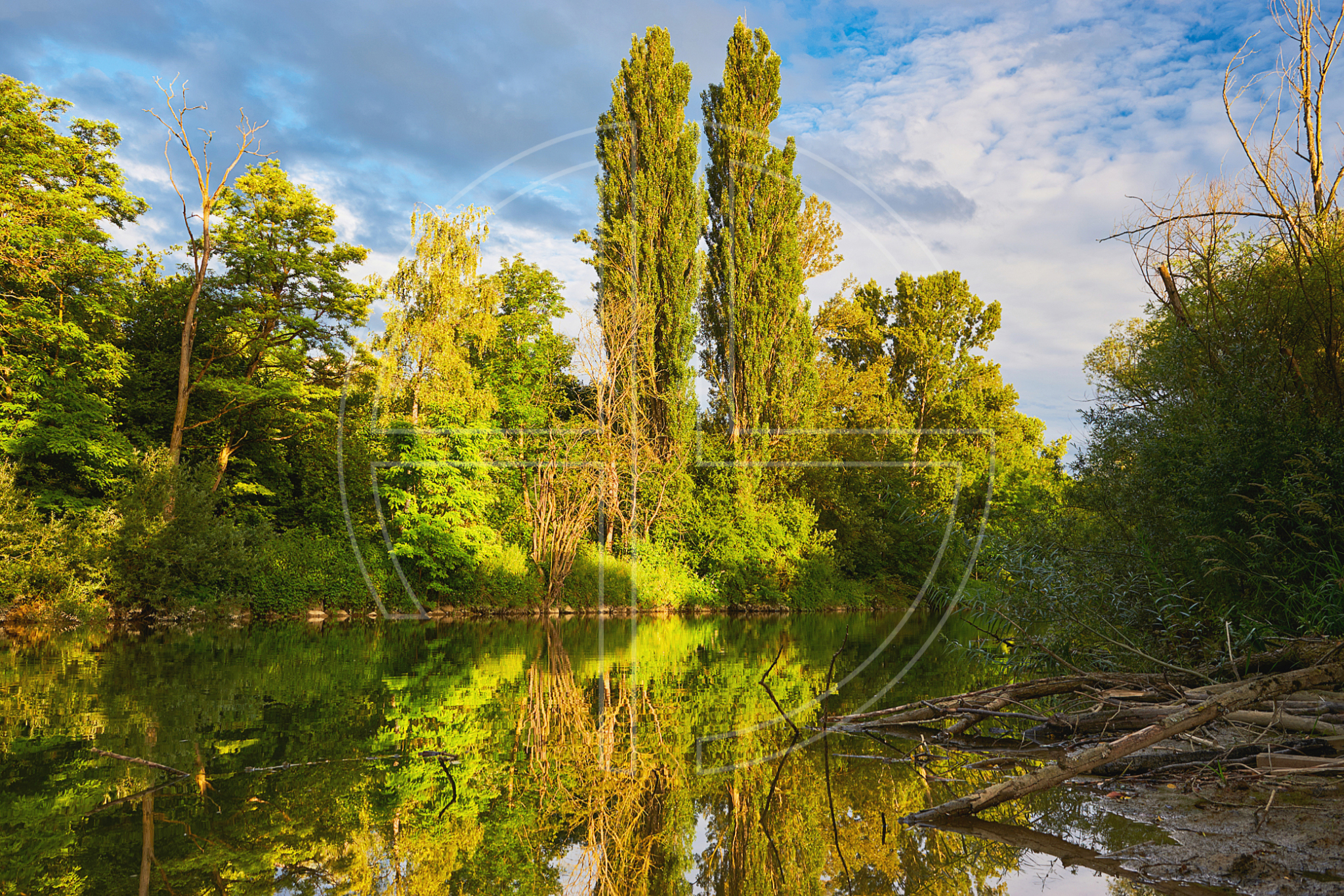
Water Purification and Sediment Control
Water filtration improves as tree roots remove impurities and pollutants. Tree roots promote natural filtration, enriching organic matter and microbial activity. Water quality also improves as it seeps through the soil. Trees growing along rivers and streams act as buffer zones. As a result, less sediment runs off with the water. The water stays cleaner, and aquatic habitats remain free of excess silt.
CLIMATE REGULATION
Surface temperatures fall as trees provide shade and affect local humidity.
Shade and Temperature Reduction
Buildings, roads, and pavements absorb sunlight and heat up. Tree shade cools urban surroundings by blocking direct sunlight. Parks, streets, and other tree-lined areas benefit from this cooling effect. It helps reduce surface temperatures and combat the urban heat island phenomenon. Tree shade also lowers the need for artificial cooling. It reduces energy consumption and, in turn, greenhouse gas emissions. Greener urban environments enhance residents’ comfort and well-being.
Influence on Local Humidity and Rainfall
Climate patterns can shift when trees alter local humidity. Leaves release moisture into the atmosphere through transpiration. This increases air humidity and creates more comfortable microclimates. This rise in humidity can extend beyond the immediate area around trees. As moisture levels increase, regional climate conditions may change. Clouds form more readily, and rainfall grows more frequent. The mechanism depends on several factors. These include geographic location and prevailing weather patterns.
ENHANCING AIR QUALITY
Trees help clean the air. They improve air quality by absorbing harmful pollutants. The importance of trees for air quality remains especially clear in urban areas.
Filtering Harmful Pollutants
How do trees contribute to a healthy and safe environment? They capture pollutants on their leaves and help clean our air. Many pollutants come from burning fossil fuels for heating. Vehicle and industrial emissions also contribute to air pollution. Tree crowns can filter pollutants from the air. These include nitrogen, sulphur, and other chemicals. Leaf surfaces can also intercept airborne particles like dust and particulate matter.
The European Environment Agency notes how European forests provide air purification as an ecosystem service. Air-filtering effectiveness depends on tree species and vegetation structure.
Absorbing Pollutants Through Many Pathways
Trees play a broader role than simply filtering pollutants with their leaves. Their bark and roots also absorb contaminants. They prevent these substances from re-entering the air. Tree roots draw toxins from groundwater and soil, helping keep water clean. By reducing pollutant levels, trees lessen negative effects on human health and habitats. They clean the air and limit exposure to ozone and nitrogen oxides. These pollutants can worsen respiratory issues. Particulate matter contributes to cardiovascular and respiratory diseases. This makes trees especially valuable in urban and industrial areas.

Promoting Healthier Ecosystems
Humans do not benefit from trees alone. Vegetation grows stronger and more resilient when the air stays clean. By removing pollutants, trees help sensitive ecosystems remain healthy. Industrial zones, motorways, and intensive farming areas often show high pollutant levels.
ECONOMIC BENEFITS OF TREES
Besides the environmental advantages, trees and forests also provide economic benefits.
Sustainable Timber and Non-timber Forest Products
Why do people cut down trees? They fell trees for the construction and furnishings sectors. Trees can endure indefinitely when growth and harvesting remain balanced. Sustainable logging techniques offset timber extraction. They help maintain healthy forest ecosystems over the long term. Do trees need us? Yes, because responsible management maintains this equilibrium.
Profitable revenue from the timber industry boosts both the national and regional economy. It provides work for labourers, producers, distributors, and retailers.
Forests not only provide wood but also fruits and nuts. They also supply seeds, mushrooms, resins, fibres, and medicinal plants. People harvest these resources and earn an income. Local communities and rural economies benefit.
For centuries, indigenous communities in particular have relied on non‑timber forest products. They weave them into their customary ways of life and cultural heritage.
Ecotourism and Biodiversity-related Industries
Areas rich in wildlife and plant life hold great value. Nature enthusiasts and researchers visit them from all around the world. This supports the growth of ecotourism. Ecotourism refers to responsible travel to these regions. Visitors experience wildlife and landscapes up close. They can observe endemic and rare species in particular. People also discover the cultural heritage connected to these ecosystems.
From ecotourism, local communities benefit. Hospitality services, guided tours, craft markets, and accommodations gain revenue. People engage more actively in the community. Indigenous peoples can preserve their cultural traditions and protect their natural resources. Ecotourism helps ease the demand for natural resource extraction.
Carbon Trading and Environmental Services
Strategies to minimise the effects of climate change have expanded. Existing methods facilitate payments for environmental services and participation in carbon trading. In climate change, trees play a central role because they store carbon in their biomass. As a result, forests have risen as sought‑after commodities in the carbon trading market. Companies and governments can offset their carbon emissions.
Forests provide essential ecological services. These include flood prevention and erosion control, among others. Communities can avoid infrastructure damage by maintaining these habitats. Forests and their trees act as natural buffers. As a result, natural disasters and their associated costs may lessen.
MENTAL HEALTH AND AESTHETIC VALUE
Trees provide more than environmental and economic benefits. The importance of trees extends beyond this. Their presence calms us, and seeing them supports our well-being.
Restorative Nature
Scientific research demonstrates how time in nature restores mental health (How Does Nature Exposure Make People Healthier? – Meredith A. Repke, Meredith S. Berry, Lucian G. Conway III, Alexander Metcalf, Reid M. Hensen, and Conor Phelan). Forests, parks, and green spaces relieve us from the pressures and stresses of daily life. The soothing sights, sounds, and scents of trees and vegetation tranquillise us. Stress, anxiety, and depression fade away.
Stress Reduction and Emotional Well-being
Trees around us help calm the nervous system. Spending time in nature can lower cortisol levels, a stress hormone. We experience less stress in the countryside. The green colours of nature and trees uplift our mood.
Connection with Nature
Biophilia describes the human tendency to feel connected to nature. Rustling leaves and the sight of trees slow us down. Cognitive function and self‑esteem rise when we spend time outdoors.
Aesthetic Value and Urban Liveability
Rural and urban landscapes look more inviting when lined with trees. In cities, tree‑filled green spaces create pleasing contrasts with concrete and steel. A green canopy of street trees and parks softens the urban landscape.
Biophilic Design and Healing Environments
Incorporating trees and natural elements, known as biophilic design, into architecture supports well-being. Green spaces and trees help people feel more energised. Hospitals, healthcare facilities, and workplaces often include abundant greenery. Patients recover faster, and workplace productivity improves.
ENERGY CONSERVATION
Planting trees in the right places improves energy conservation. Trees lower temperatures in their surroundings. As a result, people need fewer artificial cooling systems.
Natural Shade
Trees provide natural shade. They minimise the amount of direct sunlight hitting buildings and outdoor spaces. In summer heat, this shade brings relief. Without it, the sun’s rays would raise indoor temperatures. The urban heat island effect would intensify. By shading buildings, trees reduce the need for air conditioning. Energy consumption goes down.
Cooling Effect
Through evapotranspiration, trees release moisture into the atmosphere. Their surroundings cool down. Heat lessens when trees release moisture through their leaves. Trees are important. Nearby buildings benefit from this cooling. The demand for energy-intensive cooling systems decreases.

Windbreaks
Trees block chilly winds and minimise heat loss from buildings during colder months. When positioned to stop winds, they create a more sheltered environment. The need for excessive heating lessens.
Green Infrastructure
Trees are important for infrastructure supporting a green environment. Cities grow more sustainable with trees, green roofs, and vertical gardens. Urban areas benefit from shade, more moderate surroundings, and reduced energy use.
DISADVANTAGES OF TREES
The benefits of trees remain numerous. But like any natural element, they can also have drawbacks.
Allergies
For some individuals, trees can pose problems. Pollen from certain tree species can trigger allergies and respiratory issues. This can make life difficult during peak pollen seasons.
Carbon Footprint
Deforestation for agriculture or logging has adverse effects. Transporting and processing wood products also raise carbon emissions.
Fire Hazards
Trees are good for ecological balance. But under dry conditions, they can accelerate wildfire spread. Dry vegetation and areas prone to drought and high temperatures remain vulnerable. Fires find fuel in bone-dry dead trees. Once a fire spirals out of control, lives and habitats stand in danger.
Health Risks
Trees can harbour pests, fungi, or bacteria. They remain a threat to humans and animals. Toxic tree sap or eating poisonous fruits and seeds can cause harm. Effects may span from mild allergic reactions to severe, even fatal, consequences.
Invasive Species
Some tree species invade and outcompete native flora. They disrupt ecosystems and reduce biodiversity. Managing the spread of invasive trees proves difficult.
Limited Sunlight
Dense tree canopies can obstruct sunlight. They hinder the growth of the plants beneath. For gardeners, farmers, and homeowners, insufficient light for plants can cause problems.
Solar energy generation needs unobstructed sunlight.
Maintenance Requirements
Do trees need us? They require ongoing maintenance. To keep trees healthy, pruning, trimming, and disease control call for regular action. It costs time, effort, and sometimes professional expertise.
Obstructed Views
Tall trees can block views in urban and suburban areas. They may diminish property values and create a sense of confinement. Residents who enjoy vistas or live in picturesque areas may grow frustrated.
Property Damage
Falling branches or trees can damage property and vehicles. During strong winds, trees can pose a danger to people. For homeowners and communities, maintaining and removing trees takes time.
Root Damage
Whilst trees give shade and look nice, their roots can wreak havoc on infrastructure. Roots may infiltrate underground pipes and clog them. They can even rupture sewage and water systems.
Why Do Trees Count as the Most Important Thing on Earth?
Trees Are Important for Us All Because...
…they absorb carbon dioxide from the atmosphere. Trees release oxygen through photosynthesis. As the lungs of the Earth, they mitigate climate change. Greenhouse gases decrease, and trees cleanse the air of pollution. A mature tree can absorb up to twenty kilograms of carbon dioxide yearly.
…they provide a home for many plants and animals. Biodiversity needs protection, and forests do too. Community tree-planting holds strong public support. Some endangered species depend on trees for survival.
…their roots act as nature’s anchors. Roots prevent soil erosion caused by wind and water. The topsoil retains its nutrients and keeps its structure. The risk of flooding decreases as roots absorb rainfall. Run-off minimises. Trees along rivers and streams help clean the water and reduce sediment buildup.
…they work like natural air conditioners. Shade and lower surface temperatures count among the advantages of trees. Urban areas with abundant tree cover benefit from reduced temperatures. They consume less energy for cooling. Trees are good. They combat the urban heat island effect. Because of them, local climate conditions may change. Increased humidity and more rainfall can contribute to these shifts.
…they purify the air by processing particulate matter. They also catch ozone and nitrogen oxides.
…their wood for timber products benefits the economy. Without trees, furniture and houses would look less appealing. Trees also provide fruits and nuts. Ecotourism thrives in forests with high biodiversity.
…their aesthetics support our mental health. Stress, anxiety, and depression lessen in the outdoors. Cities appear more inviting when they have trees. With a touch of green, concrete jungles look nicer.
…they reduce energy consumption in urban areas. During hot summers, tree shade provides welcome relief. Demand for air conditioning lowers. In the colder months, trees block winds. Buildings stay warmer and require less heating. Greenhouse gas emissions decrease as energy conservation improves.
An image of trees on your wall enriches your space. Not only a decorative choice, but trees also connect you to nature. In my Portfolio, you have many pictures of trees to choose from.
